From Pics to Live 360°: How Strip Content Evolved from Galleries to VR
Roadmap for strip creators moving from 2D galleries to live 360° VR, covering staging, audio, platforms, monetization, and upgrade timing. The Presence Gap: Why 2D Galleries Feel Like Commodities A 4-Step Roadmap, From Pics to Live 360° Two Upsell Scripts to Move 2D Fans to VR Beginner vs. Advanced: Where to Start and Where to Push Common Mistakes and How to Fix Them The Three Failure Modes That Kill Presence, and When to Bring in Specialists A creator with a reliable photo set faces a practical decision: keep publishing galleries that fans can browse quickly, or build a VR offer that asks for more attention and earns a stronger reason to charge more. The change is not just a camera upgrade. A headset viewer judges the scene by whether it feels like a place they have entered, not by whether the file sounds technically advanced. Picture the fan reaction you want: they remove the headset and say, "I actually felt like I was there." That sentence is the production brief. This guide traces how strip content moved from static photo galleries into live 360° VR, and why staging, sound, and performance now matter as much as image quality. The shift from distant viewing to room-level access is what separates forgettable galleries from VR fans pay a premium for. Simple audio tweaks and eye-line adjustments often produce the biggest perceived jump, even before any gear upgrade. Presence is the product now. Everything else, the lens, the platform, the upsell, and the production budget, should be judged by whether it makes the viewer feel closer or reminds them they are outside the scene. Shifting strip galleries into lifelike VR is less about buying new gear and more about three core priorities: Spatial staging, prep the room so depth and scale feel real Eye-line & performance, address the camera as if it's a person in the room Spatial audio + platform choice, place the viewer inside the scene, then test playback before publishing At the content level, proximity, believable eye-line, spatial audio, and scale consistently outperform resolution in perceived value. A polished gallery can look premium and still leave the fan in browsing mode. A spatial scene has a different job: reduce the signals that the viewer is being kept outside the room, and replace them with cues that reward sustained attention. Technically polished photos can still feel transactional. A gallery displays the creator without ever closing the distance. That does not make galleries obsolete, because static sets are still easier to produce, easier to preview, and easier for fans to consume casually. But the better comparison becomes obvious once VR works: a gallery can be admired, while a convincing 360° scene can be inhabited. The Presence Gap is that psychological space between a viewer watching a flat screen and one who feels genuinely in the room. A wraparound 360° scene narrows it by restoring spatial cues: eye-line, believable depth, audio that moves with the viewer, and the freedom to look wherever they want. Use those cues as a production filter. For each shot, ask whether it makes the fan feel invited into the scene or kept at a distance. Creators who understand this distinction tend to have a clearer case for premium VR content, because audiences feel the difference before they can explain it. The adjustment doesn't always require new gear. Tightening eye-contact moments so they feel more deliberate, pulling the camera slightly closer to restore natural scale, adding simple spatial audio in post, these are small changes that shift how a scene reads. Fans describe it as feeling closer, more like being in the room. That qualitative signal is easy to collect and hard to fake, and it makes a compelling case for a premium subscriber tier before a full VR rollout even launches. Strip content has moved fast. Static photo galleries gave way to video sets, then POV clips, and now fully spatial 360° and live VR sessions. Each shift wasn't driven by technology alone, audiences kept asking for a stronger sense of access. That arc tells you where value is heading: toward presence, not pixels. The memorable lesson is simple: the viewer pays for the feeling of access, not the technical proof that access was expensive to produce. This roadmap covers environment, performance, audio, and distribution, in that order. Fix the room first; the rest follows naturally. That order matters because VR punishes shortcuts differently than photos do. In a gallery, a viewer sees what you frame. In 360°, the viewer discovers what you forgot. Environment, performance and eye-line, audio, then distribution and platform choice. Treating the 360° frame as anything other than a real room is one of the most common early mistakes. Floor marks, cables, and unintended backgrounds are all visible, and each one makes the scene read as staged rather than shared. Identify and fix at least three problem zones before you film a single frame. Try: Walk the set with a phone on a stick held at head height. Mark every zone where cables, mirrors, floor marks, or flat backdrops break the sense of space. What to look for: Does a neutral, texture-rich backdrop read better than the current surface? Gloss and solid colors flatten perceived depth and make the room feel less believable before the viewer even puts a headset on. Success marker: A viewer notices nothing that pulls them out of the scene, no cords, no crew shadows, no jarring reflections. Walk the set once and note the three things that bother you most. Fix those before you shoot anything real. Creators who skip this step often end up reshooting entire sets because one visible cable made the whole thing look staged. The environment is your first line of defense against disengagement, and a well-staged set gives you a genuine reason to tier your content at a higher price point that a static gallery simply can't support. The practical test is not whether the room looks beautiful. It is whether the room disappears as a problem. Texture helps, scale helps, and believable sightlines help, but clutter that feels casual in a photo can become distracting in a headset. The viewer can look away from the performer, which means the set has to keep the illusion alive even when attention wanders. Perform for a room, not a lens. That single shift changes how presence registers. Rehearse: Practice direct eye contact in short 10–30 second bursts, then cut away. Prolonged staring increases viewer discomfort rather than felt closeness, so use recognition in controlled moments. Spot-check: Confirm that hands, props, and entrances don't cross the camera in ways that flatten depth cues. Mark floor positions and verify with a phone on a stick before the real shoot. Feels-right test: Viewers describe the clip as feeling "close" or "like I was in the room," not "intense" or "uncomfortable." The floor-mark step is easy to skip and hard to recover from. Miss it once and you spend the whole shoot second-guessing your position. The eye-line rehearsal is consistently the biggest unlock for creators making the jump from photo sets to 180° VR, it feels awkward the first time, but viewers notice something is different even if they can't say exactly what. That is the distance shrinking in real time, and it doesn't require any new gear. Strong eye-line work also creates natural opportunities for scarcity-based offers. An exclusive live session where the viewer feels genuinely addressed rather than observed commands a premium that edited galleries never could. The limitation is that intimacy has a ceiling. Too much direct address can feel theatrical, or worse, invasive. The better performance is not constant intensity, it is controlled recognition, the feeling that the viewer has been noticed at the right moments. Audio can create a bigger perceived upgrade than a sharper camera. Start here before spending on glass. Plenty of early VR tests look impressive while the audio does nothing spatially. That is a common reason a technically sharp clip still feels like it is being watched through a window rather than experienced in a room. The eyes may accept the scene, but the ears decide whether the body believes it. Record: Capture a short clip using an affordable binaural rig or dual-lav setup in the $80–$150 range, or a directional mic placed near the performer. Aim for consistent left–right cues that shift naturally as the viewer turns their head. If you're mixing sources, check for phase issues, mismatched signals can collapse the spatial image entirely. Head-turn check: Do directional cues shift when you turn your head while listening on headphones? Breath and small movements should drift naturally left or right. Good binaural capture makes the performer feel closer in a way that's genuinely hard to explain until you hear it. Headphone check: Playback should make the performer feel physically present. If that sensation isn't there, revisit mic placement and spatial consistency before touching anything else. Spatial audio is also one of the clearest ways to separate a premium tier from standard content. A well-recorded binaural file offered as a high-bitrate download exclusive to subscribers gives fans something they can feel the difference in, and that tangible difference is what drives renewals. The workflow cost is real. Better audio adds setup time, monitoring, file management, and post-production decisions that beginners often underestimate. Still, this is where the return can be unusually high, because flat audio makes even sharp visuals feel distant. The practical issue is not the microphone alone, it is whether the sound field stays believable from capture through playback. Distribution shapes everything, not every host preserves the depth cues that make 360° feel real. Before committing to a format, think about where you want the viewer's attention to land. Intimate 180° 3D, sometimes called POV VR, puts the viewer directly in front of the performer with strong stereo depth. The frame is smaller, but the sense of shared space is concentrated and the experience becomes personal fast. Full 360° mono suits exploratory scenes where looking around is the point, though file weight climbs quickly. The distinction between monoscopic and stereoscopic formats matters here. Stereoscopic pairs carry real depth information; monoscopic files are lighter but noticeably flatter. Some platforms also downmix 3D audio to mono, or apply compression heavy enough to strip out the spatial detail you worked to capture, both choices weaken the experience at the delivery stage, long after production is finished. Common host options include YouTube VR/360, Meta Quest gallery apps, and platform-native viewers. Each handles audio and video compression differently. For best playback compatibility, prefer headset-optimized MP4/HEVC uploads at the highest bitrate the host allows, and test a downloadable high-bitrate file when the platform permits. Upload: Push a two-minute test file to your target platform and watch it on the intended device, phone headset, desktop viewer, or both. Note playback quality, viewer controls, and compression artifacts. Reality check: Does the platform support high-bitrate files and headset-optimized playback? Streaming often compresses the exact elements that create environmental realism. Go decision: Confirm that directionality survives compression. Settle the streaming-versus-downloadable question before committing to full production. A common platform problem is that the desktop preview looks acceptable while the headset version strips away the details that made the scene convincing. The visuals may look clean enough in a browser, while the audio feels thin or the motion artifacts become more obvious inside the headset. The fix is not glamorous, but it is decisive: test the final viewing path, not just the upload screen. If downloads preserve the experience better than streaming, that limitation can become a premium add-on rather than a silent downgrade. Viewers exploring how this shift from traditional strip content to immersive formats works in practice can also use specialist resources such as VRStrip.cam to discover and compare strip-focused VR experiences designed for headset viewing. Suggested original visual: side-by-side comparison of a 360° test clip at full bitrate versus platform-compressed output, showing visible quality difference in headset playback. Email or DM to existing buyers: "You loved the last set, I'm running a short live 360° session this Friday at 9 PM EST, capped at 12 viewers. Spots are $47, reply for your VIP link before Friday midnight; VIPs get a personalized shout-out and a one-minute private POV." That approach works because it stacks three things: scarcity through capped seats, a clear price anchor, and a benefit static galleries can't replicate. Track conversions over 48 hours and use that figure as your baseline before scaling the offer. The important part is not the exact wording, it is the promise of a different experience. If the offer sounds like a normal video with a VR label attached, fans will treat it like a novelty instead of an upgrade. Upgrade prompt for existing subscribers: "This Friday I'm dropping a headset-optimized version of my last session, full spatial audio, downloadable at full bitrate. It's a different experience in a headset. Subscriber-only access at [your price point]." The second script works best once you have at least one polished VR clip in the catalog. It converts fans who already trust your content and need only a low-friction reason to try the format. It probably will not work as well if the VR version is only sharper or longer. The value has to be headset-specific: spatial audio, proper scale, a closer eye-line, or a downloadable version that survives compression better than the standard feed. Think of the upsell less as selling technology and more as selling a more convincing seat in the room. That framing also protects you from overpromising. Not every fan owns a headset, and not every subscriber wants a more immersive format. The best early VR buyers are usually the fans already seeking exclusivity, access, and direct-feeling interaction, not the ones browsing casually. Beginners: Test POV angles on a standard smartphone and focus on eye contact first. Film a few short clips from different heights, then ask a handful of fans which felt closest. That qualitative feedback beats gear specs at this stage, every time. Even small adjustments to eye-line and camera height can meaningfully improve immersion before you spend a dollar on new equipment. A common beginner pattern is trying to solve uncertainty with purchases. A dedicated VR camera will not teach staging, pacing, eye-line, or audio discipline. Starting with a phone is not about pretending it is enough forever, it is about finding the problems that expensive gear will only make more visible. If fans do not respond to the feeling of closeness in a rough test, higher resolution is unlikely to rescue the concept. Advanced creators: Consider 5.7K or higher capture and explore haptic integration, syncing a consumer haptic device so timed pulses align with on-screen moments. Watch for timing drift; sync lag breaks a scene faster than any resolution drop. Build a short demo around a single haptic cue and gauge fan willingness to pay before committing to a full library. Mid-range multi-zone hardware runs significantly higher, so confirm demand at entry level first. Creators new to haptic integration often spend their first few sessions chasing sync rather than making content. The setup consistently proves more complex than product documentation suggests. The useful question is whether the haptic layer adds meaning or merely adds machinery. When timing supports the moment, it can deepen immersion. When it drifts, it reminds the viewer that they are using a device, which is exactly the illusion VR is trying to dissolve. The move from static galleries to immersive strip content has created a fragmented market. Some services offer downloadable stereoscopic scenes, others focus on browser-based playback, while newer platforms provide live or interactive experiences. Before paying, viewers should check headset compatibility, whether the content is genuinely stereoscopic, the supported playback format and whether the experience has been designed specifically for VR rather than simply adapted from standard video. Specialist resources such as vrstrip.cam help viewers discover and compare strip-focused VR content across different platforms, formats and headset experiences. Moving too fast: Slow all transitions and use snap cuts instead of pans. Hold stable framing for a few seconds between movements. Rapid motion triggers vestibular mismatch, the disconnect between what the eyes see and what the body feels, and the stream loses realism instantly. A single viewer report of dizziness is worth addressing right away. Over-lighting: Replace flat flood lighting with soft directional sources and preserve shadow gradients. Shadows are what make scale feel real inside a headset. Play back a short clip and check whether the room looks three-dimensional or the scene looks shallow. Flat lighting is one of the most reliable signs the experience isn't landing, and many early productions skip this check entirely. Ignoring the fourth wall: Rehearse natural entrances, exits, and lines that address the viewer directly so the camera feels like a shared space rather than a recording device. Watch the clip back and ask whether it sounds like you're talking to someone or at a lens. That difference is immediately obvious, and it can influence whether a fan wants the next session. These mistakes share the same root problem: they treat VR as wider video. It is not. Wider video gives the viewer more image. VR gives the viewer a body position inside the scene. Once you understand that distinction, the fixes become more obvious. Move less abruptly, light for shape instead of brightness, and perform as if the camera occupies a real seat. Poor audio, abrupt motion, and platform compression do more damage to viewer engagement than lower resolution ever will. Each chips away at presence in ways post-production can't fully fix. Resolution can be upgraded later. A viewer who felt dizzy, distant, or disappointed may not return for the improved version. Start small. A smartphone and inexpensive mics will expose every fundamental problem before you commit to a high-end capture rig. That's not a beginner shortcut, it's the right order of operations. The gear is rarely the barrier; the fundamentals almost always are. If fans consistently say they feel closer or more immersed, that's your signal to invest in production upgrades. If feedback focuses on resolution alone, double down on performance and audio first. The useful feedback is not "it looked sharp." It is "it felt like I was there." Bring in an audio specialist if headphone tests consistently fall short. Once you have repeatable, paid offers, exclusive VR scenes, scarcity-driven drops, early access tiers, consider working with a 360° editor or director. Professional support at that stage reduces friction more reliably than another hardware upgrade. The right time to hire is not when you are curious about VR, but when you already have proof that your audience wants the experience and your workflow is becoming the bottleneck. Realistic expectations matter. VR is not the right move for every strip creator, especially if your audience prefers fast browsing, simple galleries, or casual mobile viewing. It is strongest for creators whose fans value intimacy, exclusivity, and a more deliberate viewing experience. Test one short scene, protect the feeling of shared space, and upgrade only after the audience shows that the format changes what they are willing to buy. The Presence Gap is the psychological distance between a viewer watching a screen and one who feels like they're actually in the room. In practical terms, it shows up when the eye-line feels wrong, the audio stays flat, or the scale feels artificial. Before upgrading gear, ask a simpler question: does this choice make the fan feel closer? Audio gives the headset viewer location cues. On headphones, breath and small movements should drift naturally left to right as the performer moves. If those cues stay flat, the viewer may understand the scene visually but still feel outside it. A quick headphone check should happen before any full upload. Watch for three early problems: moving too fast, over-lighting the room, and treating the camera like a normal lens instead of a viewer position. The warning sign is simple, fans mention dizziness, distance, or stiffness instead of closeness. Fix those issues before chasing higher resolution. Start with a limited offer that gives fans a headset-specific reason to pay, such as a capped live 360° session, a downloadable full-bitrate file, or a spatial-audio upgrade. Scarcity helps, but the offer still needs a clear benefit that a standard gallery cannot provide. Prepare the room. Walk the set at camera height and remove anything that would break the sense of physical space, including cables, floor marks, distracting reflections, and cluttered sightlines. It is a low-cost step, and it prevents problems that better equipment will only reveal more clearly.Table of Contents
The Presence Gap: Why 2D Galleries Feel Like Commodities
A 4-Step Roadmap, From Pics to Live 360°
Step 1, The Spatial Audit (Environment Prep)
Step 2, The Eye-Line Shift (Performing for 180/360 Lenses)
Step 3, Audio Depth (Using Spatial Sound)
Step 4, Platform Selection (Choosing Tech That Supports Lifelike Files)
Two Upsell Scripts to Move 2D Fans to VR
Beginner vs. Advanced: Where to Start and Where to Push
Where Viewers Can Explore VR Strip Content
Common Mistakes and How to Fix Them
The Three Failure Modes That Kill Presence, and When to Bring in Specialists
Frequently Asked Questions
What is the Presence Gap?
Why does audio depth matter in VR?
What are the most common mistakes to avoid when creating VR content?
How can creators monetize VR content?
What should be the first step when shifting into VR content creation?
Celebrity, Erotic and Softcore Content: A Different Side of Adult Entertainment
Not everyone visiting an adult site is
looking for hardcore porn. There has always been a large audience for celebrity
scenes, sensual nudity, erotic movies and traditional softcore entertainment.
Softcore sits somewhere between
mainstream cinema and explicit adult content. It can include nude movie scenes,
erotic performances, simulated sex, glamour content and classic softcore
productions where the emphasis is more on attraction and atmosphere than
graphic sex.
For viewers who prefer that style, SoftcorePorn.net offers a
dedicated collection of free softcore porn videos, celebrity scenes and erotic
content rather than mixing everything into a general-purpose porn tube.
Celebrity content is an especially
interesting part of the genre. Over the decades, actresses and models have
appeared in erotic thrillers, independent films, late-night movies and other
productions featuring memorable nude or sensual scenes. Many of these clips are
difficult to find on mainstream video platforms and can become buried on large
adult sites.
Organizing content around performers
makes discovering these scenes much easier. Visitors can browse celebrity and softcore
performers directly, making it possible to explore videos by actress rather
than relying entirely on search.
There is also a strong nostalgia
element to softcore entertainment. Movies from the 1980s, 1990s and early 2000s
have a noticeably different look and feel from modern adult videos. Cinematic
lighting, story-driven scenes and recognizable performers give older erotic
material a style of its own. For some viewers, that is exactly the attraction.
At the same time, softcore isn't
limited to vintage material. New erotic and celebrity videos continue to
appear, and the genre still has an audience that prefers sensual content over
increasingly explicit mainstream porn.
A dedicated softcore tube therefore
serves a fairly specific purpose. It gives users a place to browse erotic
videos, celebrity nudity and softcore porn without having to filter through
thousands of unrelated hardcore categories.
Whether someone is searching for a
particular actress, an old erotic movie scene or simply free softcore content,
having a focused collection makes finding that material much easier.
These Underrated Pornstars Need A Lot More Appreciation
I’ve been into porn for more than two decades. I watched
it, and I’ve written so much about it. I’ve probably written the biographies of
several thousand pornstars, lately for my friends over at FameRegistry. I know them all! And I know which one
is good and which one is overrated. In this article, I want to talk about some
of the best pornstarts that need a lot more appreciation. Some pornstars are
just underrated. They don’t fit the profile of the mainstream baddie. And so,
the fans overlook their performances. Luckily, the directors also share my
vision. So, here are my picks for the most underrated pornstars of the moment.
Charlotte Sartre
Charlotte Sartre is probably my favorite pornstar at the moment. And I don’t understand why she doesn’t get a lot more appreciation. She does so much in the adult industry. And when I say so much, I mean it. There is nothing she wouldn’t do in front of the camera. She might be extra skinny and extra tiny. But she is a beast when it comes to anal. She’s also into golden showers. And she’s not just sitting there, taking it. She seems to enjoy it. So much so that she even has a tattoo inside her lower lip that says “urinal”. One other thing I love about her is how she performs with trans pornstars. She’s amazing in shemale porn. But that’s just my preference.

Lenina Crowne
Let’s jump over the pond and talk about a British pornstar
now. Britain has been lacking when it comes to producing big porn stars. And I feel like
Lenina Crowne is a pornstar that can be big in the coming years. She just needs
a bit of exposure. She has such a charming aura. Not to mention her body. She
has some of the hottest fake titties I’ve seen. I love that she is a redhead and
that she is extra pale. And I love her dominant attitude. She should move to
the USA and become a mistress. Or at least to follow the path of Lauren
Phillips and be the type of pornstar who just demands satisfaction from her
on-screen partners.
Rina Elis
Rina Elis is an absolute cutie. She reminds me of Asa
Akira. And God knows that we need another Asa Akira in the porn industry. She
is a tiny Asian baddie with a gorgeous look in her eyes, perky titties, and
such a tight little pussy. I also love those big meaty lips of hers. Just like
Asa Akira, she is part Japanese, which is why she is so hot. The fact that she
started out in 2015 and she’s still not famous baffles me. If you like Asian
girls, you should check out some of her movies. She’s especially great in
creampie porn.

Valentina Nappi
Now, I’m not saying that Valentina Nappi is not popular or
anything. But she’s not appreciated at her true value. What most men don’t know
about her is that she is the last big star to come out of Italy. I feel like
she didn’t find the right audience yet, even though she has been doing porn for
almost 15 years. If you like vintage porn, and by vintage I mean Italian porn
from the 90s, then you should check her out.
London Rivers
There are plenty of MILFs on the web. But not many of them
have that real slutty mom energy that we need from a cougar in our family taboo
porn. That’s exactly what London Rivers delivers. I also love her Karen energy,
if that makes any sense. And she also has some outstanding tits, on a gorgeous
curvy and extra juicy body. But the thing that makes her valuable is her legit
cougar sex drive. She’s a nympho, and every movie she does is a spectacle.
These are my picks. But what are yours? Which pornstars
deserve more attention from us? Help your favorite babes by mentioning them
everywhere you can.
Amateur Porn Then Versus Now: What Changed In The Past 20 Years
I must admit that I’ve been watching amateur porn for more
than two decades. I’m kind of a home porn king with a lot of experience. Ever since I
discovered internet porn and ever since people could film themselves at home
and upload their naughty adventures online for strangers, I was there. For me,
amateur porn is not just something I watch. It is a passion. I watched it so
much that I could notice how sexuality evolved in the past two decades. And I
think it is because the mainstream porn industry and adult content consumption
in the general public have made us all more open-minded. Here are my findings and
my conclusions after watching amateur porn for so long.
The Wave Of Sex Tapes Wives
The first form of amateur porn that I found on the internet, back in the early 2000s, was all about wives in homemade sex tapes. And I’m talking about actual tapes. Most content was coming from VHS tapes, and it was filmed with those old and chunky camcorders. Somehow, people figured out how to move their VHS videos onto digital support. And then they shared the content with the world. There was a lot of content from the 90s which finally made it on the internet. The action wasn’t that wild. But it was exciting to see someone’s wife naked, sucking dick, or getting fucked. Old videos of wives doing anal were gold. Not to mention facials or swallowing.
The Early Days Of GF Nudes
The mid-2000s saw a rise in digital camera ownership. Everyone could afford one of those compact cameras. And that’s when the first girlfriends started taking photos of themselves naked. Sometimes, the photos would end up on the internet. I remember some pay sites that were gathering these amateur nudes and selling subscription-based access to them. If you were into emo girls, those were the golden days for you. So many college chicks with eyeliner, knee-high socks, and spiked collars were taking pics of their naked nubile bodies back then.

Hot Girlfriends In Solo Videos
Just like the pictures, when it came time for free sex
tubes, the first amateur videos were solo girls who were filming themselves
masturbating. Some of them weren’t even doing it for boys. They just found the
excitement of filming their solo sessions and then rewatching them. That was
also the time when Tumblr became a thing. And every young chick who was looking
good and who was also a bit of an internet addict would upload nice pics and
short videos of herself anonymously on Tumblr. If you knew how to look for the
right content, Tumblr was the Mecca of 18+ teen amateur porn.
Mobile Phone Sex Tapes
Everything changed once everyone got cameras on their
phones. People couldn’t stop filming themselves having sex. That’s when
homemade content became one of the biggest categories on the internet. The
amateur category on PornHub in the early days was full of young couples in POV
sex videos. And they were real amateur couples, not the fake ones we have today
in the same category.
The MILF Craze Of The Late 2010s
It took a while for MILFs to join the amateur scene. But
when they did, they went full kinky. After 2015, more and more wives allowed
their husbands to film their sexual adventures. And some of those sexual
adventures involved strangers and bulls. Threesomes and cuckolding were the
staple of MILF amateur porn in the late 2010s. And the hotwife sharing trend
continues to this day.
What About The Future?
What I notice these days is more and more exhibitionist
couples not only filming themselves, but enjoying anonymous interactions on
amateur porn sites and adult forums with horny communities. It’s not just
leaked content. It is intentionally shared amateur porn and interactions with
the people watching it. I think the horny people of the future will incorporate
amateur porn in their sex lives. They will use it as just another kink. Good
days are coming for amateur porn fans.
The MILF Craze Of The Late 2010s
It took a while for MILFs to join the amateur scene. But
when they did, they went full kinky. After 2015, more and more wives allowed
their husbands to film their sexual adventures. And some of those sexual
adventures involved strangers and bulls. Threesomes and cuckolding were the
staple of MILF amateur porn in the late 2010s. And the hotwife sharing trend
continues to this day.
What About The Future?
What I notice these days is more and more exhibitionist
couples not only filming themselves, but enjoying anonymous interactions on
amateur porn sites and adult forums with horny communities. It’s not just
leaked content. It is intentionally shared amateur porn and interactions with
the people watching it. I think the horny people of the future will incorporate
amateur porn in their sex lives. They will use it as just another kink. Good
days are coming for amateur porn fans.
From Photo Sets to Live Rooms: How Cam Content Filled the Gap Pics Couldn't
Learn why live cam rooms outperform photo sets and how creators can turn real-time attention into stronger per-fan spending.
Why Photos Stop Paying
A creator can publish a strong photo set, watch the first wave of likes arrive, and still see revenue flatten before the day is over. The practical issue is format, not effort. Every upload enters a feed where attention is brief, disposable, and surrounded by other new posts. The ceiling arrives faster than many creators expect because static content earns by being noticed once, while live content earns by keeping someone involved.
Photo sets still matter, but they are a difficult foundation for growing income on their own. They demand constant output, and each new set has to fight the same battle for attention all over again. Streaming changes the earning unit entirely: from per upload to per hour of live attention. That shift matters because the creator is no longer selling only content. They are selling access, timing, recognition, and the feeling that something is happening now.
Live rooms convert attention into something static content cannot deliver: direct, back-and-forth interaction. That difference is not cosmetic, it is commercial. Creators who add even one weekly stream can see stronger per-fan spending not because the camera setup is more polished, but because a live response creates a reason to act immediately. A photo set can be saved for later. A live moment cannot.
The gap between grinding out posts every other day and earning more in a single live hour than a photo set earns all week is rarely about talent. Photos ask fans to consume. Live rooms invite them to participate. Participation is where the money starts to behave differently.
The Presence Premium
The Presence Premium is the additional amount a fan is willing to spend because they receive real-time, personal attention from a creator in the moment.
Here is how it looks during a stream: a viewer tips, you say their name on camera and respond to their request within seconds. That acknowledgment is something no photo set can replicate, and fans price it differently because it feels personal, scarce, and time-sensitive. The content may be simple, but the exchange is not. The viewer is not only paying for what happens on screen, they are paying to matter inside the room.
The sequence is simple: a fan acts through a tip or chat message, the creator responds immediately and personally, and the fan re-engages, often with another message or another tip. Many creators understand this intellectually before they stream. The commercial reality tends to click when they see how quickly a room changes after one person is recognized. The room may still be digital, but the social pressure becomes real.
What makes this a genuine earnings lever is that both perceived exclusivity and response timing are variables you can control. Fast responses, clear recognition, and consistent follow-through make viewers feel that spending changes the room in real time. When that feedback loop runs consistently, it builds retention and pushes per-hour earnings upward faster than any upload schedule can. The important lesson is simple: the product is not just visibility, it is responsiveness.
Why Photo Sets Leave a Gap
Platform behavior works against static sets in ways that are easy to miss from the creator side. Algorithmic churn, rapid feed-scrolling, and subscription fatigue all compress what a photo set can earn over its lifetime. A strong set might get attention, but attention alone is a fragile asset when the next post is already one thumb swipe away. Relying only on sets trades depth of spend for breadth of reach, and breadth rarely produces hourly rates worth building a business on.
The deeper issue is that static content separates desire from action. A fan can like, save, or comment, but the moment has already been packaged and delivered. There is no live consequence to spending more right now. Audience retention is structurally different in a room where a tip can change what happens next. A fan scrolling a feed can double-tap a post, but they cannot tip into a moment that is already over.
This is why creators who treat photo sets as the entire business often hit a frustrating plateau. They may be making better content, posting more often, and still feeling stuck. The revenue constraint is not production quality, it is the lack of reciprocal attention. Static uploads are built for display. Live rooms are built for response.
From Post and Ghost to Stream and Scale: The Three-Stage Transition
The goal is to shift your revenue unit from per upload to per hour of active presence, the same shift that defines more sustainable income in the creator economy. That does not mean abandoning photo sets. It means giving them a different job. Photos should create curiosity, streams should convert that curiosity into action, and the room structure should make spending feel obvious instead of awkward.
Traffic, reliability, and clear conversion mechanics are the three levers. It also requires a mental shift: performance as interaction, not a photoshoot. This is where many creators struggle at first. A photoshoot rewards control. A live room rewards timing, responsiveness, and the ability to notice who is leaning in before they disappear.
Stage 1, The Tease: Use Sets to Pull Traffic Into Streams
Many creators already have assets that work as low-friction hooks. The smart move is treating photo sets as invitations rather than end-products. The best posts do not show everything, they point toward a moment that only exists live. That distinction matters because scarcity changes the viewer's decision. A saved set can wait. A scheduled live room asks for a choice.
A simple caption does the work: "Loved this set? I'm doing the behind-the-scenes version live at 7pm Friday, come for the extras, stay for the shout-outs. " That single line reduces friction and raises conversion odds without requiring new content. Viewers who arrive having seen a set invite often have an immediate reference point in chat, which gives the creator something to build from. Intent is valuable because a viewer who arrives with a reason usually needs less convincing once the room opens.
The constraint is that teaser posts need restraint. If the set already feels complete, the stream has no job to do. If the teaser feels too vague, viewers do not know why they should show up. The useful middle ground is to make the photo satisfying enough to earn attention, but unfinished enough to make the live room feel like the next step.
Stage 2, The Transition: Schedule and Signal Reliability
Fans value predictability more than many creators realize. A fixed stream schedule converts passive scrollers into habitual attendees who plan to spend. Regulars who know when you are live tend to pre-commit, mentally and financially, before they even enter the room. That does not happen when streams appear randomly and disappear just as quickly.
Commit to a single recurring two-hour slot for the first three months. It can feel limiting early on, especially for creators used to posting whenever inspiration hits. As a business habit, it shortens the learning curve faster than going live whenever the mood strikes because you are building viewer habits and your own pacing instincts at the same time. A recurring slot beats ad-hoc streams for early-stage creators. Full stop.
There is a compromise: consistency can feel repetitive before it starts to feel profitable. That is normal. The first sign that the schedule is working is not always a dramatic jump in viewers. It is usually smaller, more practical behavior, such as familiar usernames arriving earlier, viewers referencing last week's stream, or regulars asking what the goal is tonight. Those are the early signals of habit formation.
Stage 3, The Monetization: Tip Menus vs. Goals
Tip menus create discrete transaction options and set clear expectations. Goals create crowd-driven momentum and higher average spend when viewers cooperate. Menus work best for predictable per-action income; goals are stronger for rapid spend spikes and social proof. Use each where it fits rather than defaulting to one. The commercial risk is treating monetization as a sign on the wall instead of a rhythm inside the room.
Both should be visible, specific, and consistent across sessions. Viewers should never have to ask what a tip unlocks, because hesitation kills momentum. If scaling hourly earnings is the objective, this is also where a moderator starts to pay for itself. A good moderator does not just control noise, they protect the room's rhythm by reminding viewers what is available, spotting confusion, and keeping the creator from having to interrupt the performance to manage logistics.
Scripts That Convert
Keep scripts short, urgent, and specific. Tone and timing beat perfect wording every time. A 10-second name call followed by a 20-second targeted offer usually outperforms a long monologue because it feels like a response, not an announcement. The useful test is simple: does this line give the viewer a reason to act right now?
Getting it right early means fewer wasted streams and faster momentum. The point is not to sound scripted. The point is to remove hesitation during the moments when the room needs direction. Beginners often wait until the energy drops before they explain what viewers can do.
Opening Five Minutes
State your name and tonight's theme right away so new arrivals know exactly what they have walked into.
Acknowledge early viewers directly, make showing up on time feel rewarded.
Ask where people are watching from and give each one a shout-out to kick off the engagement loop early.
Bridging from Photos to the Live Room
"The photos are just the menu; the live room is the meal, what are you hungry for tonight? " That line moves interest into urgency without sounding transactional. Drop it in the first ten minutes when referencing a recent post. It works because it reframes the photo set as the beginning of the experience, not the entire offer.
The creators who stumble here are not usually the ones with bad scripts. They are the ones who polish the wording and forget to make eye contact with the camera. The camera is not a mirror. It is the viewer's seat in the room. If the line is clever but the delivery feels detached, the room hears the sales pitch and misses the invitation.
Tip Menu Callout
Read the at the start, at the midpoint, and in the final ten minutes, do not just point to it and hope.
Be specific: name each tier and what it unlocks so viewers never have to guess.
Honor every tip, every time, that consistency is what drives repeat spend.
"Quick reminder, my tip menu is pinned. Ten to twenty-five tokens gets a name shout-out; fifty gets a short request; 200 and up gets a private invite. "
The callout should feel like orientation, not begging. This distinction matters. Clear pricing gives viewers permission to participate. Vague pricing makes them worry about tipping the wrong amount, asking for the wrong thing, or being ignored. In a live room, confusion is not neutral. It quietly removes money from the session.
About the reviewer
Industry analyst tracking creator economy platforms and live content monetization. This analysis is based on platform observation and interviews with creators, gathered since 2018. Independent, not affiliated with any platform or operator covered in this article.
Entry Tactics vs. Pro Cycles
New streamers: pick one two-hour slot this week. Greet every username out loud. Lock in your time slot and session structure before you start tweaking anything else. The temptation will be to improve everything at once, lighting, captions, goals, angles, music, menu language. Early momentum comes from being recognizable and reliable, not from changing the setup after every quiet room.
Established creators should alternate roughly 20-minute high-energy goal segments with 10–15 minute private-chat windows. That rhythm resets novelty, concentrates social proof, and keeps fatigue from hollowing out the room. You do not need more viewers to fix a flat session, a tighter segment or a goal reset usually does it. The cycle works when you let it run.
The next challenge is discipline. If the room is active, it is tempting to stretch a goal segment too long. If a private window is profitable, it is tempting to let the public room cool while you chase short-term spend. The stronger approach is to protect the cycle. A live room is part performance, part pacing system. When the pacing breaks, the room may still be live, but it stops feeling alive.
Mistakes That Kill the Presence Premium
Waiting for enough viewers before engaging is the most common error, and one of the most costly. Early arrivals set the room's tone. Treat them like VIPs and the rest follows. Ignore them and the room stays cold no matter how many people join later. The first five viewers are not filler. They are the social proof that teaches the next twenty how to behave.
Treating the camera like a mirror instead of a window is just as damaging. Call viewers by name. Reference their specific message. React to what they actually said rather than performing into empty space. That kind of individual response signals genuine real-time interaction rather than passive broadcasting. It is also the simplest way to remind viewers why the live room is not just another piece of content.
Changing or hiding your tip menu mid-stream compounds things further. Inconsistent pricing suppresses tipping reliably, and the damage stacks across sessions, quietly eroding both trust and income. Viewers may not complain, they simply stop acting. The mistake is not only confusion in the moment. It is teaching regulars that the rules might change after they have already decided to spend.
Avoid treating your stream as a performance for an anonymous crowd. Prioritize individual fan engagement and give viewers clear signals that you're responding to them specifically, not just performing at them.
Sample Tip Menu
Shout-out and name-check, entry-level tip: 10–25 tokens
Short request (30–60 seconds), mid-range tip: 50–75 tokens
Custom quick action (2–3 minutes), higher-tier tip: 100–150 tokens
Private join invite, premium tip: 200+ tokens
Goal unlock (room-wide), variable; set at roughly 3–5× your mid-range single-tip benchmark
Viewers respond to clarity. Keep the language specific, the increments logical, and the board visible at all times. A stable menu reduces friction and increases spontaneous tipping because viewers are not hesitating over what they actually get. The best menu is not necessarily the most creative one. It is the one viewers can understand in three seconds while chat is moving.
There is room to adjust over time, but not constantly. Creators sometimes mistake frequent menu changes for optimization when what they are really creating is uncertainty. If the room has to relearn your pricing every session, you are spending attention that should be used for conversion. Stability signals confidence, and confidence converts. Change the menu deliberately, explain the change clearly, and then leave it alone long enough for regulars to build habits around it.
Sample Stream Schedule
19:00–19:10, Welcome and warm-up (name checks)
19:10–19:30, Goal segment A (collective)
19:30–19:45, Private windows (short, priced actions)
19:45–20:00, High-energy close and last-chance goals
Early pacing problems usually show up in two ways: goal segments run too long, or the private window disappears entirely. This structure balances collective momentum with individual monetization. Repeat the 60-minute block to fill a two-hour session. It is not glamorous, but it works, and it protects against burnout over time.
The useful part of a schedule is not that every minute becomes rigid. It is that the creator always knows what kind of energy the room needs next. Welcome periods build recognition. Goal segments create social proof. Private windows monetize individual intent. Close segments give undecided viewers a final reason to act. Without that structure, a stream can drift, and drifting is expensive.
Suggested original visual: A simple timeline diagram showing one 60-minute stream cycle, with labeled segments for welcome, collective goal, private window, and close, illustrating how the block repeats across a two-hour session.
Finding the Right Live Cam Platform
Success with live cam content is influenced not only by performance and scheduling but also by choosing a platform that matches your goals. Different services vary in room size, token systems, private show features, moderation tools and the overall community experience. Taking time to compare these differences often leads to better long-term results than simply joining the busiest platform.
Independent resources such as Chatterbate.net help viewers and creators compare live cam platforms, discover different room styles and understand which services best suit their preferred way of interacting before investing time or money.
What Realistic Outcomes Look Like
Early live rooms are often small and quiet. That is normal, and it does not mean the approach is not working. The mistake is expecting a live room to behave like a viral post. Streaming is less about one explosive hit and more about training a group of regulars to show up, understand the room, and feel rewarded when they participate.
Higher engagement and better per-viewer spend tend to follow three things: schedule consistency, visible pricing, and learning to read your chat's rhythm. All three take time, and none of them arrive on the first stream. The first thing people usually notice is not a sudden surge in traffic. It is that certain viewers begin to behave differently: arriving earlier, asking better questions, tipping with less prompting, or referencing previous sessions.
The most common failure modes are an inconsistent schedule, no visible pricing, and mistaking high energy for genuine investment. Each one compresses returns instead of growing them. Noise is not the same as monetization. A room can feel busy and still fail commercially if no one knows what to do next or why spending matters in the moment.
If holding a reliable slot is not feasible on your own, a moderator or co-host is a justified cost. Not every creator needs one immediately, and smaller rooms may be manageable solo. But once chat, pricing, private windows, and performance all compete for attention, the bottleneck stops being content and starts being control. Consistent presence is the core reason live rooms can outperform static uploads, and that does not change regardless of room size.
This approach is best for creators willing to be visible, responsive, and scheduled. It is probably not right for creators who prefer total control, asynchronous posting, or content that can be produced privately and released later without interaction. Live rooms do not magically fix weak positioning or inconsistent work habits. They reward creators who can turn attention into a relationship while the viewer is still present. If photo sets start the interest, live rooms decide whether that interest becomes a business.
Frequently Asked Questions
Why do photos stop generating significant income for creators?
Photos compete in crowded feeds and require constant output for diminishing returns. Each new set has to earn attention again from scratch, and there is a hard ceiling on what fans will spend on static content. Photos cannot respond, acknowledge anyone in real time, or create urgency around a moment that is still unfolding. A live room can do all three.
What is the Presence Premium?
It is the extra amount a viewer will spend because they are getting real-time attention from a specific person, not just content, but direct acknowledgment. When a tip triggers an immediate on-camera reaction, that moment feels personal and unrepeatable. A photo set cannot manufacture that exchange.
How can creators transition from photo-based content to live streaming effectively?
Use photo sets as the tease that drives traffic, not the destination. Build a consistent stream schedule so regulars know when to show up. Make the monetization structure visible from the start: tip menus, goals, clear pricing. The practical next step is to choose one recurring slot and promote it from your next set.
What are the common mistakes creators make when trying to earn from live streaming?
Waiting for a big audience before engaging is probably the most expensive habit in live streaming. Beyond that: performing to a faceless crowd instead of calling out individual names, streaming with no fixed schedule, and burying or swapping the tip menu mid-session. None of these are hard to fix, but letting them slide teaches viewers not to act.
How long does it take to see improved hourly earnings from live streaming?
There is no clean answer. Early rooms are often small and quiet, and that is expected. The shift tends to come from three things held consistently: a fixed schedule, visible pricing, and the ability to read a room's rhythm and adjust. Watch for repeat attendance and easier tipping before expecting a dramatic change in room size.
The Ultimate Truth: Free Porn Is King
Free porn is not good porn, is the best porn. Where other suckers are paying monthly subscriptions like chumps, the rest of us are lapping in an ocean of unlimited and high-quality free premium onlyfans girls nude pics content, which would be absolutely free to others. Why the heck would anybody pay to have access to something they can get at no cost that allows them to do everything they want with only a few clicks? Paying to breathe the air where you can breathe and have sex, which is free.
The Golden
Age Of Free Fapping Material
We live in
the goddamn golden age of free porn, and anyone who claims otherwise is
possibly trying to sell you something, or he hasn't quite discovered the
treasure troves that are available over and above our fingertips. Pornhub,
XVideos and XNXX (among others) have become the cathedrals of
self-gratification of the modern era, accommodating millions of videos of every
type of freaky as is possible. These are not little snippets to keep you
hinting at the edge of a verbal fruit, but the full scenes of the big studios,
amateur ones in which the amateurs have disgraced themselves and their sex, and
many of them of a kind unequaled anywhere in the entire history of the world.
The
Psychology Of Getting Something For Nothing
It has a
particular type of satisfaction that derives from receiving quality efforts of
premium shit free of charge. It is as though you find a hundred-dollar bill
lying in the street or an upgrade to first class without having to use miles.
When we watch free porn, there is this primal rush of beating the system; we
are even getting the same content that other people are paying to obtain, and
we are doing so free of charge. It is not only a question of saving money but
of growing up in the marketplace of pleasure as a savvy consumer.
Why Paid
Porn Is For Fucking Suckers?
We’ll tell the plain truth, the vast majority of paid porns are perpetuating the very same hamstringing trick. They will promise you exclusive content, but in a few weeks, they will release most of their so-called premium content on tube websites. How can you pay $30 a month to watch something that is available free of charge? The people who fall prey to this sort of BS are either too lazy to look or are stupid enough to be taken by the game. On top of that, lots of charged websites utilize unsavoury charging methods that practically render it nearly unfeasible to terminate your subscription. Instead you should head over to the leakedtits free porn pics category page and find the thing your soul has been searching for and get right down to jerkin it! No bullshit, just porn!

The Hidden
Costs Of Paying For Porn
In addition
to this glaring economic waste, there are other aspects of porn that cost money
that are no better than other, less costly, types of love-based art. In your
credit card statement, you will find Adult Entertainment Services" or some
other piece of bullshit that will surely attract a question at home. Spamming
of your email by upsells of other websites, which have fees. Worse still, you
are propping up a business model that is outdated and attempts to charge a fee
on what should be freely available to all horny bastards irrespective of their
economic status.
How Small Choices Shape Adult Browsing Habits
Every browsing session starts with a decision, even if it doesn't feel like one. Someone opens a favorite adult image aggregator, and within seconds the mind is already sorting: amateur galleries or professional shoots, a familiar OnlyFans creator or a fresh face, natural or enhanced, a quick scroll or a long dig through a site-specific archive. That guiding idea — that everyday choices run on a quiet mix of instinct, habit, and small calculated risks — turns out to explain a lot about how people move through online content. And it explains why the tools built around adult discovery keep evolving to match how humans actually decide.
Take the leap from passively viewing photo sets to actively looking for real-world companionship. That shift is a decision too, and it hinges on the same weighing process. Someone curious about moving from screens to arrangements will often go looking for a way to find an escort through a trusted directory rather than trusting scattered classified pages. Boobpedia now functions as a global escort directory with nearly 98,000 verified profiles worldwide, and that verification matters enormously to a first-time decision-maker who wants to reduce guesswork. It offers location-based browsing so choices stay grounded in what's actually nearby, a Tinder-style swipe and match feature that mirrors the fast yes-or-no instinct people already use elsewhere, and free listings for escorts and agencies that keep the pool wide. For the reader weighing that step, the directory turns a big, vague decision into a series of small, manageable ones.
The Instinct Behind the First Click
Watch how a typical user behaves on a nude photo aggregation site and a pattern emerges. There's rarely a master plan. Instead, a thumbnail catches the eye, a category name feels right, and the click happens before conscious thought fully kicks in. Psychologists call this fast, gut-level processing, and it's doing most of the heavy lifting during casual browsing.
The interesting part is how quickly instinct gets overridden by tiny judgments. A blurry preview gets skipped. A creator with a verified badge gets more benefit of the doubt. A gallery labeled "amateur" pulls one type of viewer while "model shoot" pulls another. None of these are agonizing choices, but stacked together across a single session, they reveal a person constantly running low-stakes cost-benefit math without ever naming it that way.
Small Risks and the Search for a Sure Thing
Every online choice carries a little risk. Will this link load a real gallery or a dead page? Is this OnlyFans leak actually what it claims to be, or a bait-and-switch? Adult users have gotten sharp at reading signals precisely because they've been burned before. That accumulated caution shapes behavior far more than most people realize.
This is where the appeal of curated, verified spaces comes in. When a directory or archive does the vetting up front, it shrinks the risk of a bad outcome, and people gravitate toward that safety almost automatically. The same logic that makes someone stick to a well-organized site archive instead of random forum links is the logic that draws them to verified profiles when the stakes rise. Interestingly, the human tendency to seek freedom while managing uncertainty runs deep — one classic reflection on complete freedom of movement captures how much people value open choice even as they crave a bit of structure to lean on.
Why Games Trained the Modern Decision Muscle
Long before swipe interfaces, humans practiced decision-making through play. Games are essentially controlled environments for weighing options, taking small risks, and reading outcomes — and they've been part of human life for thousands of years. Researchers recently dug into this history, and the story of one of humanity's oldest board games shows how ancient the impulse to strategize really is.
That heritage matters here because modern adult discovery borrows game mechanics directly. The swipe gesture, the match reveal, the endless-scroll feed — these are game loops. They tap into the same reward wiring that made board games addictive in ancient courtyards. When a user flicks through profiles or galleries, the brain treats each swipe as a tiny gamble with a small emotional payoff, and that feedback loop keeps decisions flowing fast.
The Social Side of Choosing
Decisions rarely happen in a vacuum. Even a solo browsing session is shaped by what other people flag as worth watching — trending creators, popular categories, the amateur set everyone's talking about. Shared judgment lowers the effort of choosing, because someone else already did part of the sifting.
This social scaffolding has ancient roots too. Scholars studying the role of Mancala games in human development argue that group play helped transmit culture and build cohesion — people learned to read each other, cooperate, and take turns weighing risk together. The digital echo is everywhere in adult content culture: comment sections steering attention, verified badges functioning as community trust markers, location-based tools letting people make grounded choices instead of abstract ones. The instinct to lean on collective signals never left; it just moved onto screens.
Making Peace With How You Decide
Circle back to that guiding idea. Whether someone is scrolling mobile galleries on a slow afternoon or considering a real-world arrangement through a verified directory, the underlying engine is the same: instinct fires first, small risk assessments follow, and social cues nudge the outcome. Understanding that engine doesn't ruin the fun — it just makes the choices feel less random and a little more intentional. The reader who notices their own patterns tends to browse smarter, trust better sources, and enjoy the process instead of second-guessing it. Every click is a small decision, and getting comfortable with that is half the pleasure.
Exploring the Features of Live Trans Cam Technology
Exploring the Features and Benefits of Live Trans Cam Services
For anyone considering real-time visual streaming solutions, examining the capabilities and advantages of this system is crucial. A key strength lies in its ability to provide instantaneous two-way interactions, making it invaluable in educational and business settings. Users can share visual content with minimal latency, ensuring smooth communication and engagement.
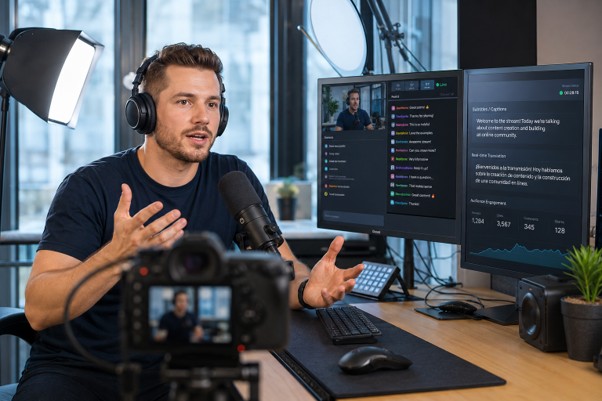
This technology offers advanced features for enhancing user experience. Platforms featuring live trans cam services benefit from high-definition video quality combined with intelligent compression mechanisms, allowing for clarity even in lower bandwidth scenarios. Participants can communicate effectively without compromising on visual fidelity, which is essential for interactive and engaging live experiences.
Security remains a top priority, with encrypted channels safeguarding data integrity and privacy throughout transmission. Implementing multifactor authentication further protects user accounts, establishing a secure environment for both personal and professional exchanges.
Customization options empower users to tailor their experience. Adjustable settings for video quality, bandwidth usage, and interface layout cater to different needs, ensuring accessibility for diverse audiences. Engaging tools such as interactive whiteboards and real-time polling enhance participation and collaboration.
Real-Time Language Translation Capabilities for Global Communication
Utilizing real-time language translation can significantly enhance cross-border conversations. For immediate interactions, deploy platforms that offer instant text translation and audio interpretation. Prioritize services that support multiple languages to ensure broader accessibility. Choose those that leverage advanced neural networks for accuracy in context and idiomatic expressions.
Key Advantages
Timely translation can reduce misunderstandings, facilitating smoother interactions in diverse environments. For business meetings, implement simultaneous translation tools to cater to participants speaking different languages, allowing all voices to be heard simultaneously without delay. This approach aids in creating a more inclusive atmosphere.
Adding visual components like subtitles or transcripts during conversations can further improve comprehension. This dual-channel approach caters to various learning styles and ensures that information retention increases for all participants. By displaying translations in real-time, crucial details can be emphasized effectively.
Choosing the Right Tools
Evaluate translation apps based on their language database size and real-time processing speed. Consider options that feature offline capabilities for areas with poor connectivity. Compatibility with various devices, from smartphones to desktop systems, expands usability in different scenarios.
Data security remains crucial; select tools that prioritize user privacy. Understand how these applications handle sensitive information, especially in corporate contexts where trade secrets might be discussed. Encryption methods must meet industry standards to safeguard conversations.
Regular updates and training on the tools empower users to leverage their full potential. Provide resources and workshops to enhance skills related to efficient usage. Enhancing proficiency facilitates rapid responses and maximizes the benefits of real-time translation across various contexts.
Incorporating these advanced translation capabilities into routine practices can transform how individuals and organizations communicate cross-culturally. Prioritizing seamless interactions can build stronger relationships and foster collaboration, ultimately enhancing global engagement.
Integration with Social Media Platforms for Enhanced User Engagement
To maximize audience interaction, prioritize seamless connectivity with popular social media channels. Implement features enabling direct sharing of content, allowing users to effortlessly broadcast their experiences. Consider utilizing APIs that facilitate real-time updates and notifications within these platforms. This not only amplifies visibility but encourages spontaneous engagement from followers, enhancing overall interaction metrics.
Embed user-generated content tools that allow participants to tag social media accounts, creating a cycle of sharing and feedback. Encourage challenges or campaigns that incentivize sharing through rewards or recognition, further boosting participation rates. These strategies cultivate a community atmosphere, drawing in more users and establishing a feedback loop that enhances retention and loyalty.
Q&A: Live trans cam
What is Live Trans Cam Technology?
Live Trans Cam Technology refers to the capability of cameras to provide real-time translation of spoken language into written text. This technology is often utilized in environments such as conferences, educational settings, and live broadcasts to help audiences who speak different languages understand the content being presented. By integrating advanced speech recognition and translation algorithms, Live Trans Cam ensures smooth communication across language barriers.
How does Live Trans Cam Technology work?
The technology operates by capturing audio through a microphone, which is then processed using speech recognition software to convert spoken words into text. This text is subsequently translated into the desired language using machine translation services. The real-time aspect means that as the speaker talks, the words appear almost instantaneously on a screen, allowing for seamless interaction among participants who might not share a common language.
What are the main applications of Live Trans Cam Technology?
Live Trans Cam Technology has a wide range of applications, including but not limited to live events, international conferences, virtual meetings, and educational settings. In live events, it can assist attendees in understanding speeches or presentations in real-time. In academic environments, it can aid multilingual classrooms by providing translations for lectures. Additionally, businesses using this technology can enhance communication with global clients during meetings or webinars, making interactions more inclusive and effective.
What are the benefits of using Live Trans Cam Technology?
One of the primary benefits of Live Trans Cam Technology is its ability to break down language barriers, making communication more accessible. This inclusivity can enhance audience engagement and participation at events. Furthermore, the instantaneous nature of the translations allows for a smoother flow of information, reducing the need for lengthy pauses for interpretation. This technology also supports educational initiatives by facilitating learning in multilingual environments, making resources available to a broader audience.
Are there any limitations to Live Trans Cam Technology?
While Live Trans Cam Technology is highly innovative, it does face certain limitations. One challenge is the accuracy of translations, which can be affected by factors such as accents, background noise, and the complexity of the language being spoken. Additionally, the reliance on technology means that technical issues can arise, potentially disrupting services. Finally, there may be limitations in handling colloquialisms or specialized terminology, which could lead to misunderstandings if not properly managed.
What are the main features of Live Trans Cam Technology?
Live Trans Cam Technology offers various innovative features designed to enhance communication and streaming processes. At its core, it provides real-time transcription of spoken language, which is particularly useful for accessibility during live events or broadcasts. Additionally, it often includes automatic language detection, allowing it to adapt to various languages and dialects on the fly. The technology typically integrates seamlessly with video conferencing tools, enabling users to see transcribed text side by side with video. This feature not only aids in understanding but also facilitates the participation of individuals who are deaf or hard of hearing. Furthermore, many applications of Live Trans Cam also focus on user-friendly interfaces, ensuring that participants can engage with the content without the need for extensive technical knowledge.
How does Live Trans Cam Technology enhance accessibility for deaf and hard of hearing individuals?
Live Trans Cam Technology significantly improves accessibility for deaf and hard of hearing individuals by providing instantaneous text representations of spoken dialogue during live events. This real-time transcription allows those who may struggle to hear or comprehend spoken words to follow along without missing vital information. The visual display of spoken content is especially beneficial in fast-paced environments, such as conferences or lectures, where keeping up with the conversation can be challenging. Additionally, many implementations of this technology support multiple languages and dialects, making it inclusive for diverse audiences. By enabling greater participation and engagement, Live Trans Cam serves as a critical tool for ensuring that everyone has equal access to information and communication in various settings, thus promoting inclusiveness.
How to Enjoy OnlyFans Without Spending a Cent (The Legit Way)
Most people on OnlyFans never pay a
thing — and no, that has nothing to do with sketchy "free viewer"
tools. Here's how the free side actually works.
Here's a fact that surprises people: the
vast majority of OnlyFans users never spend a single dollar. Only 4.2% of
subscribers ever pay for anything, The Globe and Mail reported, citing an
OnlyGuider study — which means 95.8% are already enjoying the platform for
free. The free version of OnlyFans isn't a hack. It's where almost everyone
already lives.
And it's entirely legitimate. Here are
the real ways to make the most of it.
Free profiles are a real thing
A huge share of creators run free pages.
You can subscribe for $0 and get access to whatever they post to subscribers,
plus the teasers and public posts anyone can see. This isn't a loophole — it's
the platform's own freemium model. Creators use a free tier as a shopfront to
attract an audience, then earn later through pay-per-view content, tips and
messages. The free browsing is the front door, and it's wide open by design.
Free trials get you the full page, temporarily
Individual creators can also offer free
trials — typically 7 or 30 days — that unlock their full subscriber content
without the monthly fee. It's the single best way to check someone out before
deciding whether they're worth paying for. Two things worth knowing: a payment
method usually has to be on file even for the free trial, and anything you saw
during the trial can disappear the moment it ends. Enjoy it while it lasts, but
don't assume it's permanent.
The catch: finding the free stuff
Here's the real obstacle. OnlyFans has no
working internal search — no explore page, no way to browse free creators or
filter for trials from inside the app. So finding the free side happens
off-platform, through directories that index creators (including the free ones)
by category. Tools like OnlyGuider catalogue public profiles and even
break out a dedicated free section, so you can browse creators who cost nothing
without paying and often without logging in. The free content exists in
enormous quantity; the only trick is that you have to look for it somewhere the
app won't help you.
The line you shouldn't cross
Now the important part. "Free"
has a legitimate meaning — free profiles, free trials, free public posts — and
a fake one. The internet is full of "OnlyFans viewer,"
"unlocker" and leak sites promising paid content for nothing. Avoid
all of them, and not just for the creators' sake.
Those tools are overwhelmingly scams.
They're loaded with malware and built to harvest your data; they violate
OnlyFans' terms, which can get your own account suspended; and they steal
directly from creators who depend on the paid tier to make a living. The
genuine free side of OnlyFans is generous enough that there's simply no reason
to go near them. Enjoying the platform for free and ripping off the people on
it are two completely different things — one is how the platform is meant to
work, the other is piracy with a virus attached.
The caveats
A few honest limits. Free trials end, and
the content you accessed usually goes with them. Free profiles only show you
what each creator chooses to make public, which varies enormously. And
OnlyGuider's figures are modelled estimates, not a transaction ledger. Treat
the free tier as what it is — a real, no-cost way to explore — rather than a
substitute for supporting creators you actually like.
The Modern AI Porn Sites And All Their Exciting Features
Have you used AI porn for personal pleasure? I ask this because I know several guys who were excited about this new type of content, but then got turned off by the first generation of AI porn sites. And truth be told, the first AI porn sites were awful. The girls were generated with six fingers, three titties, and one eye. While some crazy bastards are into such things (no judging), most of us like the realistic images.
The modern AI porn sites are more than image generators. They come with so many interesting features that will keep you hooked. Or at least they keep me hooked. I have so much fun on the modern AI porn sites. I use all their features. Although I didn’t give up on classic porn yet, I can admit that more than half my online adult time is spent on AI porn sites. I’m not trying to convince you to switch. But I will tell you all about the awesome features that got me so hooked on AI porn. Features that I’ve discovered through the PornDuke platform, where they made a swell collection of AI porn sites.

Real AI Porn Video Generation
This is what I was waiting for. I had time with image
generation, but I’m not really the type of guy who jerks off to porn pics. I
like the videos. And the first sites offering AI porn video generators only did
some kind og GIFs. In fact, it wasn’t even GIFs, because it was just a static
image with cum dripping out of chins and some trippy backgrounds. But things
have changed lately. I’ve tested out three AI porn sites that offer video
generators. And they are awesome.
The videos are short, up to a minute. But the action is
nice. For now, you get only one kink. For example, you can generate a video of
blowjob action, anal, pussy fucking, cumshot, or threesome play. But the
resemblance to real life is nice. I love that sex sound effects are added, and
I love that some sites let you write what you want the character to say. This
is perfect for those who love roleplay and dirty talking.
Social Media Experience
I know some guys who don’t like this feature, but I think
it is cute. You know how AI sex chat sites have lots of ready-made characters
which they present in an index. Well, now they also present them in a feed that
emulates social media. The AI girlfriends post themselves in thirst traps, and
they write status updates that are on par with their personality. You can
scroll through posts or visit the profiles of each AI girlfriend. This feature
makes the AI girlfriends seem more real. And you can even interact with them in
the comment section.
Live AI Cam Shows
The first Live AI cam models are here. And they are pretty nice. It’s still not as versatile as the real deal, but the establishment of a new niche is on the go. I experimented with them in both public chat rooms and private ones. The public chat room is a bit boring, as the sites are not offering nudity and the AI models are not as sharp at interacting with everyone at the same time. They just sit there, smile, and sometimes they say something. But the private experience is halfway decent. You get the same interaction depth as you do when you chat with classic AI girlfriends. They still have some work to do when it comes to the video feed. Not that much is possible at the moment. But it’s a more immersive experience than in the case of classic AI sex chat.
What’s Next?
I’m not sure what’s next, to be honest. The industry
surpassed my expectations. I was expecting AI live cam shows, but not as fast.
They still have to work on them, but they’ll get there. I never expected the
social media feature. What I wish would happen is some kind of VR feature for
the live show. And if they can manage to pair interactive sex toys with it all,
we’ll have something that will take things to the next level.